

Childhood Poverty in Shropshire – Why Little Stars Is Needed More Than Ever
Behind the rolling hills and market towns of Shropshire, a quiet crisis is unfolding. Across villages, towns, and schools – schools many of the county’s youngest children are struggling with poverty. They are exactly why Little Stars exists.
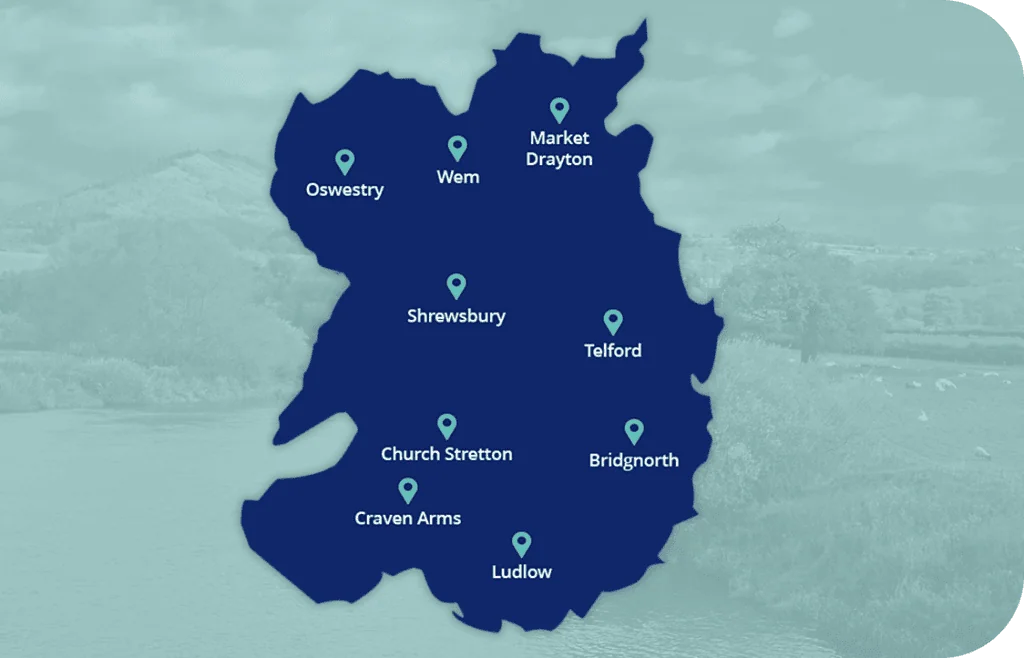
The scale is serious:
- In the year 2020–21, nearly 9,000 children in Shropshire were living in absolute poverty, with a further 11,000 in relative poverty after housing costs. That means tens of thousands of families struggling just to meet the basics.
- In bordering Telford & Wrekin, the problem is even sharper – child poverty rose to 27 percent, affecting over 10,000 children under 16.
- Nationally, the UK has 4.5 million children in poverty – more than 30 percent of all kids.
Poverty in Shropshire is both widespread and often hidden. While the county is predominantly middle-aged and rural, its rising costs of living – particularly in transport, food, energy, rent, and childcare – carry an outsized weight for low income families . Many households on universal credit, especially single parents and families with three or more children, report skipping meals and going without essentials.
The impact on children is heartbreaking. Some face bullying for not having school essentials. Others begin life without warm clothes or a safe place to sleep. Health risks – like low birth weight and chronic illness – are higher among children experiencing poverty. Conditions like coughs, colds, and mental health struggles become common among families forced to choose between energy bills and food.
This is the reality Little Stars faces every day. Behind every bundle we prepare, there’s a real story, – a mum in tears holding a baby coat, a cheeky teenager wearing new school trainers, a relieved parent given a mattress for their newborn.
Our services grow out of need:
- Our Baby Bank provides newborns with cots, nappies, bedding, clothes, toiletries – so families don’t have to panic when their baby arrives.
- Our school readiness campaigns like Cool for School and Tots to Teens make sure children enter school with dignity, not shame – because school essentials shouldn’t be a luxury.
- Our Community Hubs put nappies, toiletries, warm clothing and more within reach for families in remote or rural areas who cannot travel.
We stand at the frontlines of a child poverty crisis that is both local and national. Every bundle, every school bag, every coat we deliver is more than just support. It’s a message: your family is valued, and your child’s upbringing is important.
Together, we can do more. Your support – whether donating, fundraising, volunteering or spreading the word – helps us reach children hidden beneath these statistics. It gives them their childhood back. It tells them they matter.
Sources used on this page:
- Shropshire Council – Child Poverty Needs Assessment 2021
(Provides figures on absolute and relative child poverty in Shropshire after housing costs) - Telford & Wrekin Council – Poverty and Inequality Briefing 2022
(Highlights rising child poverty levels in neighbouring districts) - End Child Poverty Coalition – Child Poverty Local Data 2021
(Offers UK-wide and region-specific statistics on child poverty) - Joseph Rowntree Foundation – UK Poverty Report 2023
(Details the root causes of child poverty including housing, energy, food and childcare costs) - The Children’s Society – Local Poverty Reports and Impact on Education
(Links poverty to outcomes like bullying, school readiness, and mental health) - National Energy Action (NEA) and Fuel Bank Foundation
(Reports on how families in rural areas face disproportionate heating and transport costs) - Office for National Statistics (ONS) – Households Below Average Income 2023
(Confirms broader trends in working poverty and income inequality across England)